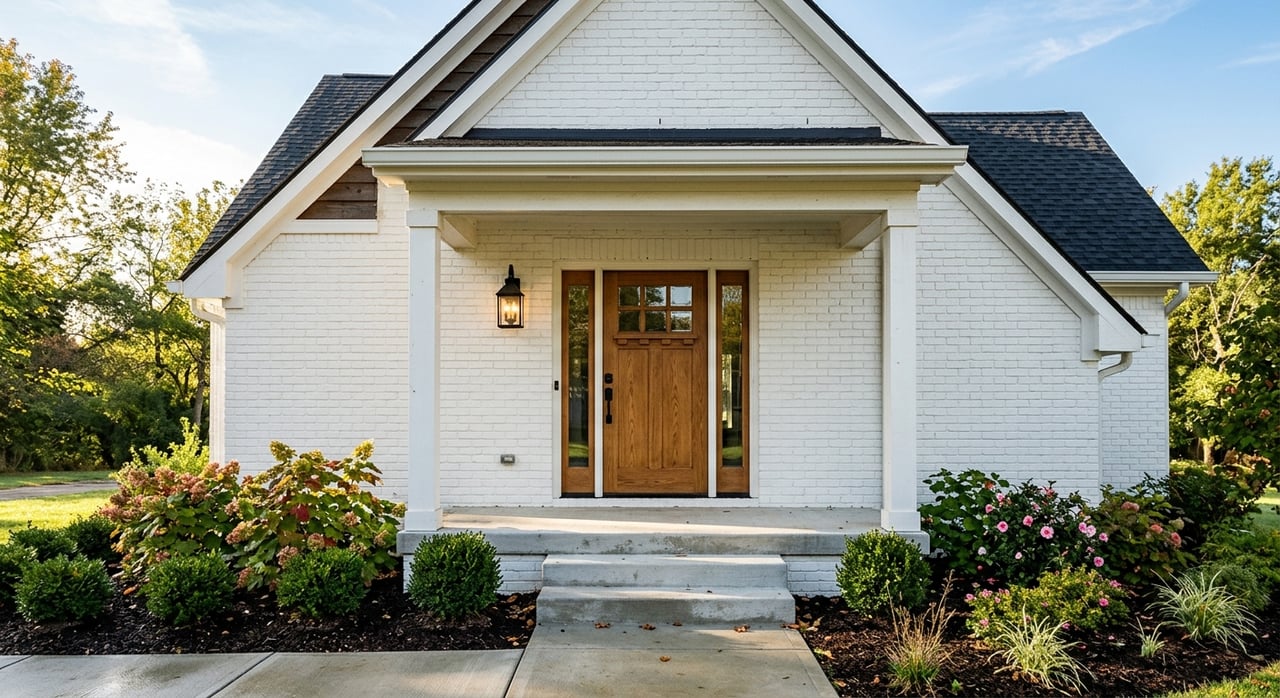
How to Sell a Home in Benson, NC Step by Step
June 25, 2026
June 25, 2026
Selling your home in Benson can feel simple at first: put it on the market, accept an offer, and move. In reality, the steps in between can shape your timeline, your stress level, and your final result. If you want to sell with fewer surprises and a clearer plan, this guide will walk you through what to expect in Benson and across North Carolina. Let’s dive in.
Before you list your home, it helps to know what kind of market you are stepping into. Recent Benson market data shows a median sale price of $310,814 over the three months ending May 2026, with a median 63 days on market. That means homes are selling, but not always instantly.
Johnston County as a whole has a higher median sold price of $364,990, with a median 50 days on market and homes selling for about 100% of asking price on average in May 2026. For you as a Benson seller, that makes pricing and presentation especially important. The first few weeks on the market often give you the clearest signal about whether your price, condition, and marketing are working.
A smart sale usually starts before your home ever goes live. Based on current Benson market conditions, a practical planning estimate is 2 to 4 weeks to get the home ready, about two months on market, and then several more weeks from contract to closing.
That does not mean every sale follows the same path. Your condition, price point, buyer financing, and inspection results can all affect timing. Still, having a general roadmap can help you plan your move, utility changes, and next housing steps.
Preparation matters because buyers often make quick judgments from photos, showings, and early impressions. In a market where homes are not all flying off the shelf, the details can make a real difference.
Start by focusing on condition, cleanliness, and access. You want your home to show as well-maintained and easy to understand. If a buyer walks in and sees unresolved maintenance items, clutter, or confusing spaces, that can affect both offers and negotiation.
A pre-listing inspection can also be helpful, especially if your property has a septic system, well, title questions, HOA involvement, covenant questions, or estate-related issues. Since North Carolina buyers commonly complete home, pest, septic, survey, appraisal, title, and loan-related checks during due diligence, finding issues early can help you make better decisions before you are under contract.
If you have added a fence, pool, outbuilding, addition, or other improvement, it may be worth checking your records before listing. For Benson homeowners, the Town of Benson Planning and Zoning Department handles inspections and permit applications.
This step can be especially useful if you are unsure whether older work was permitted or finalized. Sorting out questions early may help reduce delays once a buyer starts asking for documentation during due diligence.
In North Carolina, most residential sales of 1 to 4 unit properties require two key disclosure forms:
State law requires the seller to deliver these disclosures no later than when the buyer makes an offer. If the disclosures are not delivered on time, the buyer may have the right to cancel the contract within three calendar days after receipt or three calendar days after contract formation, whichever comes first.
These forms cover more than many sellers expect. They can include information about structural components, plumbing, electrical systems, heating and cooling, water supply, sewage disposal, wood-destroying insects, zoning laws, restrictive covenants, environmental issues, HOA dues, assessments, transfer fees, and association contact details.
If you learn that something on a disclosure has become inaccurate, North Carolina law requires a prompt corrected disclosure or the needed repairs. Even if you plan to sell the home as is, your disclosure duties still apply.
Pricing is one of the most important decisions you will make. In Benson’s current market, wishful pricing can cost you time, leverage, and buyer interest.
Because Benson’s recent median days on market is longer than the broader county median, overpricing may lead to weaker early feedback. Buyers often notice how long a home has been listed, and that can affect how they view value. A strong pricing strategy should reflect current local conditions, your home’s features, and how it compares with other available options.
This is where steady, local guidance matters. A thoughtful pricing plan can help you attract serious buyers sooner instead of chasing the market later.
Once your home goes live, be ready for activity, questions, and feedback. In Benson, average homes are not always instant sales, so the early response can tell you a lot.
Pay close attention to:
If your home is getting showings but no offers, buyers may be signaling that something feels off. It could be price, presentation, or a repair issue. The sooner you recognize a pattern, the easier it is to adjust.
When an offer comes in, price matters, but it is not the whole picture. In North Carolina, several contract terms can affect your outcome and risk.
Look closely at:
The due diligence fee is especially important in North Carolina. It is negotiated, paid to the seller at contract execution, and is usually retained by the seller if the buyer terminates during the due diligence period. It is refunded only in limited breach situations.
That means two offers with the same price may not be equal. One buyer may offer stronger upfront terms, a shorter investigation window, or a closing date that better fits your move.
After you accept an offer, the buyer typically begins due diligence. This period often includes home, pest, and septic inspections, along with survey work, appraisal, title search, loan qualification, and repair negotiation.
During this stage, your role is to stay responsive and keep the process moving. You may need to provide access, documents, receipts, or clarification about the property. Delays can create frustration, and unanswered questions can increase the chance of renegotiation.
If inspections uncover a defect and you decide not to repair it, that issue can become a material fact that must be disclosed to future buyers if the deal falls through. That is one reason it helps to think carefully before agreeing to repair terms or putting a home back on the market after a failed contract.
North Carolina closings are attorney-supervised. A licensed North Carolina attorney must supervise all material aspects of a residential closing, provide the title opinion, and make sure the deed is properly executed and recorded.
The standard North Carolina offer and contract does not require a particular closing attorney, so it is wise to settle that question early if attorney choice or closing logistics need to be addressed. In Johnston County, the Register of Deeds office in Smithfield handles the recording step after closing.
This part of the process often moves more smoothly when you have the right team in place. For many Benson sellers, that includes a listing agent, a North Carolina real estate attorney, and sometimes an inspector, surveyor, or contractor depending on the property.
As closing approaches, keep your homeowner’s insurance in place until sale proceeds are received and the deed and bank documents are recorded. That is an important detail many sellers do not realize.
If you agreed to complete repairs, try to finish them before closing whenever possible. Once the transaction closes, buyers have very limited rights to recover for newly discovered repair issues, so it is best for everyone to resolve agreed work before the deal is finalized.
You can also start planning your move-out details. Benson Utilities has a service-start process that may help with timing your move, and local utility coordination can make your final week feel more manageable.
If you want a quick overview, here is the step-by-step path:
Selling a home in Benson does not have to feel overwhelming when you understand the process ahead of time. With the right preparation, clear pricing, and steady support, you can make informed decisions from listing to closing.
If you are getting ready to sell and want practical guidance tailored to Benson and Johnston County, connect with Judy Johnson for clear, local support every step of the way.
Stay up to date on the latest real estate trends.





Get assistance in determining current property value, crafting a competitive offer, writing and negotiating a contract, and much more. Contact Judy today to discuss all your real estate needs!