Everyday Life In Clayton North Carolina
July 2, 2026
July 2, 2026
Wondering what day-to-day life in Clayton, North Carolina really feels like? If you are comparing towns around the Triangle, Clayton stands out for its mix of small-town charm, outdoor access, and easy regional connection. From downtown events to greenway routines and a growing housing mix, here is a clear look at what everyday life in Clayton can offer you. Let’s dive in.
Clayton is a fast-growing town in northwest Johnston County, about 15 miles southeast of Raleigh. The U.S. Census Bureau estimates the population at 32,633 in 2025, up from 26,307 in 2020. The town covers 16.69 square miles and is bisected by U.S. Highway 70, which helps shape how people move through town and connect to nearby areas.
That growth matters, but so does the town’s stated vision. Official planning documents describe Clayton as a place that aims to keep its small-town feel while offering easy access, parks and greenways, and a lively historic downtown. In other words, Clayton is growing, but it is also trying to stay grounded in the qualities that draw people there in the first place.
For many residents, daily life is a blend of local routine and regional connection. American Community Survey data show a median household income of $78,822 and a mean travel time to work of 31.1 minutes. That points to a town where you can enjoy local amenities while still being connected to the wider Raleigh-area economy.
If you want to understand Clayton, start with downtown. It is the clearest center of everyday activity, with Main Street serving as a community anchor. Town materials and downtown organizations describe a place where long-running local businesses and newer spots sit side by side.
More than $20 million has been invested in downtown revitalization projects over the last decade. That investment shows up in the mix of things to do, including mom-and-pop shops, rooftop dining, live jazz, performing arts, a sculpture trail, a community garden, and the Saturday farmers' market. Instead of feeling like a pass-through area, downtown functions as a place where people gather during the week and on weekends.
The town is also planning for downtown’s future. The updated Downtown Master Plan, adopted on September 16, 2024, focuses on sustainable growth, transportation and mobility, urban design improvements, strategic land use, and preservation of historic and cultural resources. That tells you downtown is not just important today. It is central to Clayton’s long-term identity.
Clayton’s downtown feel is tied closely to its historic character. The Clayton Historic District includes portions of the commercial core and nearby residential areas, with almost 300 historic homes and buildings. That historic layer helps explain why downtown feels established rather than newly built from scratch.
For buyers and relocators, this can shape the overall experience of town. You may notice a more traditional street pattern, older homes near the center, and a stronger sense of place around Main Street. The town’s planning efforts suggest that preserving those features remains part of Clayton’s future.
One of the biggest everyday advantages in Clayton is how easy it is to work outdoor time into your week. The town owns and operates five parks and more than 10 miles of greenway. Parks & Recreation also offers athletics, visual arts, gardening, and special events, which adds more ways to plug into the community.
This is not just about having a park nearby. In Clayton, outdoor amenities appear to be part of the town’s identity and daily rhythm. Whether you want a morning walk, an after-work trail run, a playground stop, or a weekend event, the parks system gives you practical options.
The town highlights several features across its system, including Harmony Playground, East Clayton Dog Park, and East Clayton Disc Golf Course. The annual report also notes the Legend Park remediation project, which is intended to restore a former landfill site into usable green space. That kind of project reflects a broader effort to expand and improve the town’s recreational footprint over time.
Clayton’s trail network is a major part of local life. Sam’s Branch Greenway is a 1.25-mile paved trail that connects through northern Clayton to the Clayton River Walk on the Neuse. The River Walk is a 4-mile paved trail and is tied into the Mountains-to-Sea Trail and East Coast Greenway.
For everyday living, that means the trails are not just decorative. They create real opportunities for walking, biking, and spending time outdoors close to home. The town also describes its greenways as a safe way for families to experience Clayton, which helps explain why they are such a visible part of local routines.
A town can have nice amenities, but everyday life feels fuller when people actually use them. In Clayton, the event calendar adds energy throughout the year. Current downtown listings include the free Downtown Clayton Concert Series, Independence Day fireworks, Harvest Festival, Boo Bash, Main Street Trick-or-Treat, Christmas Village and Tree Lighting, the Christmas Parade, and the farmers' market.
That kind of calendar supports a community-centered lifestyle. You are not waiting for one big annual event to make town feel active. Instead, there are repeated opportunities to get out, see familiar faces, and enjoy public spaces in different seasons.
The downtown library also adds to that daily and weekly rhythm. Programming includes summer reading, year-round book clubs, storytimes, and special events. For many households, that means Clayton offers more than housing and commute convenience. It also offers regular ways to stay engaged close to home.
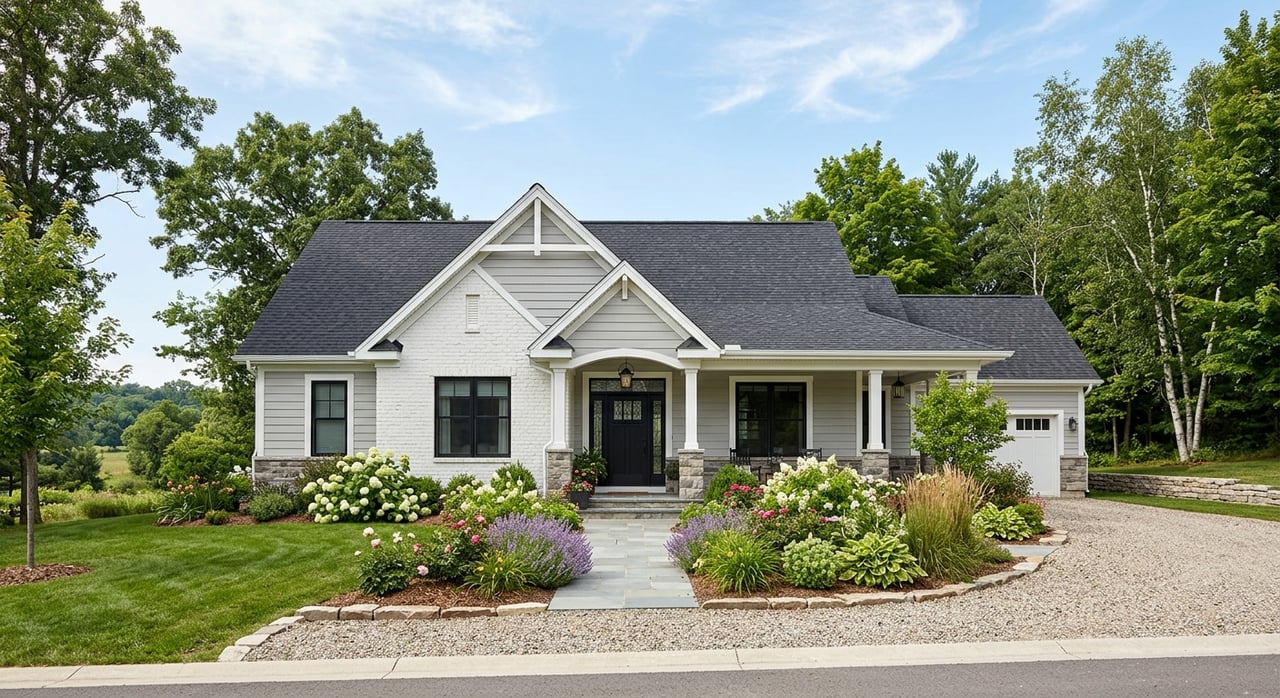
If you are thinking about moving to Clayton, one of the most useful things to know is that the town is balancing an established core with continued growth. The Comprehensive Growth Plan says Clayton should have neighborhoods with a variety of quality living options. That signals a broader housing mix than you might expect from a smaller town.
The town’s development rules give some clues about how that plays out on the ground. The Downtown Neighborhood district includes mid-century and older single-family homes around downtown. The Downtown Transitional district blends moderate-to-high-density housing, mixed uses, and neighborhood-serving commercial uses along Highway 70.
Put simply, Clayton appears to offer a mix of older in-town areas and newer or denser growth corridors. If you are relocating from another part of Johnston County or from the Triangle, that can give you more flexibility in how you choose location, home style, and day-to-day convenience. Your ideal fit may depend on whether you want to be closer to downtown, near major routes, or in a setting that feels a little more tucked away.
Clayton does not read like a dense city center, and it does not feel disconnected from the region either. The average commute time of 31.1 minutes helps show that many residents likely move between local life and nearby employment centers. That makes Clayton a practical option if you want more breathing room while staying connected to the broader Triangle orbit.
On a typical day, that can mean grabbing coffee or shopping downtown, using the trails after work, heading to a community event on the weekend, or commuting out and returning to a town that still feels local. It is a pattern that blends convenience with a more grounded pace. For many buyers, that balance is the main appeal.
Clayton may be a strong match for you if you want:
That combination is not always easy to find in one place. Clayton’s official plans and current amenities suggest a town that is trying to grow thoughtfully while preserving the parts of community life that matter most.
If you are weighing a move to Clayton, it helps to look beyond the map and think about your routine. The right town is not just about where you sleep. It is about how you want your mornings, evenings, weekends, and commute to feel.
If you want help comparing Clayton with other Johnston County or Triangle-fringe communities, or you are ready to explore homes that fit your goals, Judy Johnson is here to help with clear, local guidance.
Stay up to date on the latest real estate trends.
Get assistance in determining current property value, crafting a competitive offer, writing and negotiating a contract, and much more. Contact Judy today to discuss all your real estate needs!