Near Benson, "Sandy Soil" on a Land Listing Doesn't Mean What You Think
September 24, 2026
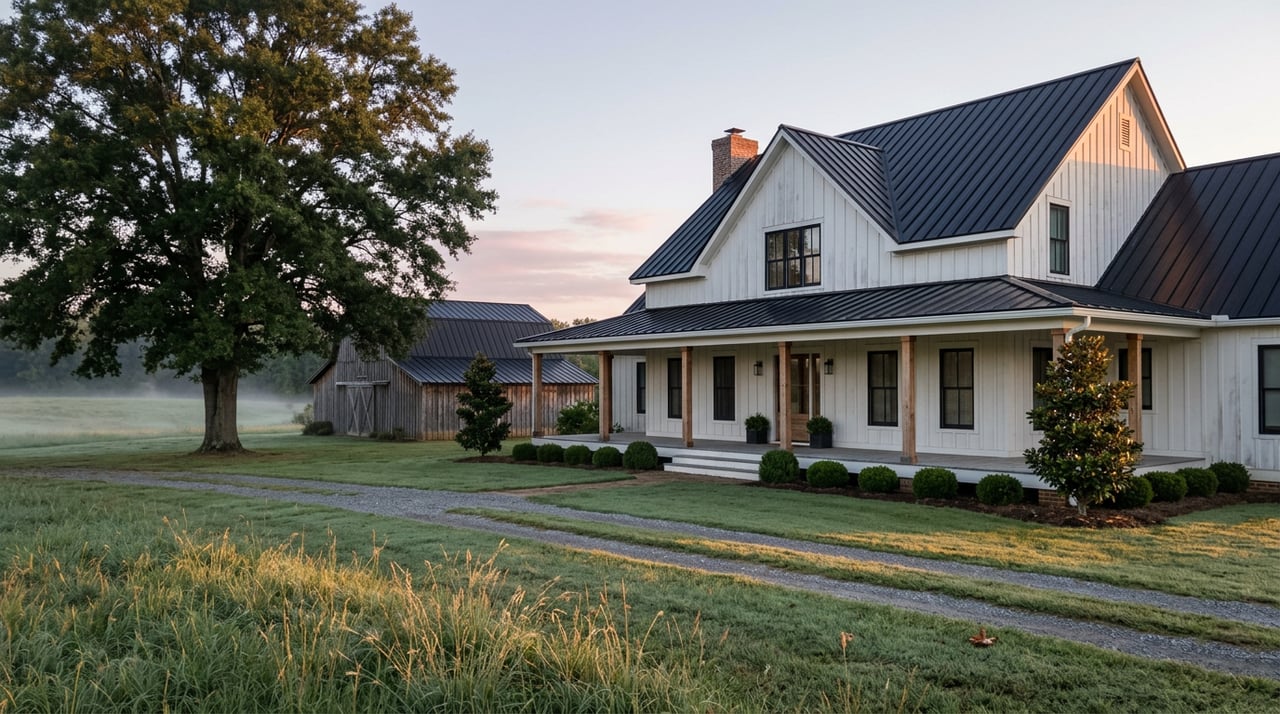
Pull up a land listing anywhere between Benson and Four Oaks this fall and you will likely see some version of the same reassurance: sandy soil, no wetlands, clear and level. One recent listing for a two-acre tract near Meadow put it plainly: beautiful, clear, level, on a quiet lane surrounded by farm fields, with a note that no perc test had been run yet, but the soil was sandy. To most buyers touring on a dry October afternoon, that phrasing reads as a green light. It isn't one. It's a description of what the ground looks like in September, which is close to useless information about what a septic evaluator will find in March.
That gap between how land presents itself when you're standing on it and how it behaves underground months later is the single biggest thing land buyers in the Benson area get wrong. It has nothing to do with acreage, road frontage, or price per acre. It has to do with a water table that moves.
North Carolina stopped relying on the old-style perc test years ago, the one where you dig a hole, pour in water, and time how fast it drains. That method only captures conditions on the day you happen to test, and a dry August afternoon produces a wildly different reading than a wet March morning on the exact same lot. The state now uses soil morphology evaluation instead. An environmental health specialist digs a handful of test pits across the proposed system area and reads the soil's permanent characteristics: texture, structure, color, and depth to any restrictive layer like clay or rock.
Color is the tell that matters most for land near Benson. Gray mottling in a soil profile is the ground's own record of where water sits during the wettest part of the year, whether or not anyone is standing there to see it happen. A test pit dug in September can show clean, well-drained sand and still carry that gray mottling a foot down, because the soil remembers what the surface has already forgotten.
Johnston County splits into two soil worlds, and Benson sits close to the seam. West toward Clayton and Archer Lodge, the ground is Piedmont clay, mostly Cecil and Helena series, which drains slowly but predictably. East of I-95 toward Smithfield, Selma, Kenly, Princeton, and the Four Oaks side of Benson, the soil changes to Norfolk, Wagram, Goldsboro, and Lynchburg series, sandy loams that look like ideal building ground. Deep, loose, easy to dig.
The catch is a seasonal high water table that can rise to within 18 inches of the surface every February through April, even on lots that look bone dry from May through November. According to Septic Cost Guide, state code requires at least 12 inches of clean, undisturbed soil between the bottom of a conventional drain field trench and that seasonal high water table. On a lot where the water table climbs that close to the surface for a few months a year, a conventional system no longer fits the math. The permit gets written for something else entirely.
That's where the cost story changes. A standard conventional install in Johnston County typically runs $4,800 to $11,800. Once a site is reclassified because of the water table, the design usually shifts to a low-pressure pipe system, a mound, or an aerobic treatment unit, and the number jumps toward $14,000 or more. The land didn't change. The season the evaluator visited did.
| System type | Typical cost range |
|---|---|
| Conventional gravity drain field | $4,800–$11,800 |
| Low-pressure pipe (LPP) | Toward the higher end, often $10,000–$14,000+ |
| Mound or aerobic treatment unit | $14,000 and up |
Go back to that Meadow listing. "No perc test available, but soil is sandy" isn't a false claim. It's an honest description of what's visible right now, paired with an absence of the one document that would actually answer the question: an active Improvement Permit. The IP confirms the site can support a specific type of system, and according to Septic and Well, it's valid for five years once issued. Without one, a buyer is pricing a lot based on how the ground looks, not on what it's approved to do.
According to Septic and Well, North Carolina doesn't require a seller to have that evaluation done before listing raw land.
The Johnston County Environmental Health Department handles all three stages out of its office at 309 E. Market Street in Smithfield, and buyers can call 919-989-5180 or check the status of an existing septic or well permit online before making an offer contingent on anything.
As of July 1, 2026, the county's posted response time for septic and well evaluations runs five weeks or less. That's the wait for the initial site visit, not the full path to a working system. A realistic total timeline from application to operating system runs 8 to 14 weeks in a normal season, and permit volume climbs from March through October, which can push the wait past 16 weeks during the busiest stretch of the year. If you're closing on land in early spring with plans to build by fall, that window matters more than the price per acre.
The practical move, and the one worth writing into the contract rather than assuming will happen informally, is a purchase agreement contingent on a satisfactory soil evaluation, with a defined window of 30 to 60 days to get it done.
Land near Benson right now spans a wide range once you look past the sticker price. A cleared, level two-acre tract without utilities can list well under six figures, while ten or more acres with an existing home and confirmed road frontage can run into seven figures. Some of that spread comes from size and location, but a meaningful piece of it comes down to whether the septic question has already been answered. A lot with an active, unexpired Improvement Permit already attached is worth paying a premium for, because it removes the single largest unknown a rural buyer in this part of Johnston County can face. A lot without one isn't a bad deal. It's an unpriced one until someone does the digging, literally, to find out.
Can I skip the county wait and hire someone privately? Yes. A private licensed soil scientist can evaluate a site faster than the county queue, which matters if your due diligence period is shorter than the county's current response window.
What if the seller already has an old Improvement Permit on file? Ask for the date. An IP is valid for five years, so a permit from 2019 or earlier has likely expired,
Land near Benson rewards patience more than almost any other kind of purchase in this market, because the ground itself takes months to tell you the truth. Judy Johnson has walked enough of these lots with buyers to know which questions to ask before an offer goes in, not after. If you're looking at acreage in the Benson area and want a second set of eyes on what a listing is and isn't telling you, Let's Connect.
This article is general information, not legal, tax or financial advice. Consult a qualified professional about your situation.
Stay up to date on the latest real estate trends.

Get assistance in determining current property value, crafting a competitive offer, writing and negotiating a contract, and much more. Contact Judy today to discuss all your real estate needs!